
What Happens If Your Employer Blames You for a Workplace Accident?
A workplace accident can turn an ordinary working day into a stressful and uncertain experience. One moment, an employee may be performing routine duties, operating machinery, carrying supplies, walking through a warehouse, or completing a construction assignment. The next, an unexpected incident can result in serious injuries, medical treatment, lost wages, and concerns about returning to work. Unfortunately, the situation can become even more difficult when an employer responds by blaming the injured employee.
Some employers may claim that a worker was careless, ignored safety instructions, failed to wear protective equipment, or did not follow company procedures. Others may argue that the employee caused the accident by rushing, making a mistake, or performing a task incorrectly. In certain situations, an employer may even suggest that the injury happened outside working hours or resulted from a preexisting medical condition rather than a workplace incident.
For injured workers, these accusations can create confusion about their legal rights. Employees may worry that accepting blame will prevent them from receiving workers’ compensation benefits. They may also fear losing their jobs, being disciplined, having their medical expenses denied, or being forced to return to work before they have recovered.
However, being blamed for a workplace accident does not automatically mean you lose your right to compensation. In many situations, workers’ compensation systems provide benefits even when an employee’s ordinary mistake or negligence contributed to an injury. The specific rules depend on the state, the circumstances of the accident, and whether any legal exceptions apply.
Understanding the difference between employer accusations, workplace accident investigations, workers’ compensation eligibility, and potential third-party liability is essential. An employer’s version of events is not necessarily the final legal determination of responsibility.
This guide explains what happens when your employer blames you for a workplace accident, what rights you may have under U.S. law, how to respond to accusations, and what steps can help protect your ability to pursue compensation.
Understanding What It Means When an Employer Blames an Employee for a Workplace Accident
When a workplace accident occurs, employers generally have legitimate reasons to investigate what happened. They may need to determine whether workplace procedures were followed, identify safety hazards, document the incident, and comply with reporting requirements.
However, an investigation is different from automatically assigning fault to the injured employee.
An employer may blame a worker because management believes the employee made an error. For example, a warehouse employee might slip while moving inventory, and the supervisor may argue that the worker was walking too quickly. A construction employee might fall from an elevated platform, and management may claim that the worker failed to use the required safety harness. A restaurant employee might suffer a burn, and the employer may suggest that the employee was not paying attention.
Although these circumstances may be relevant to an investigation, they do not necessarily establish that the employee is legally responsible for the accident or ineligible for benefits.
Common Reasons Employers Blame Injured Workers
Employers may attribute workplace accidents to several different circumstances. Sometimes these accusations are based on genuine safety concerns. In other situations, they may be premature conclusions made before all available evidence has been examined.
One common accusation involves failure to follow company safety procedures. Employers may argue that an employee ignored instructions, operated equipment incorrectly, or failed to follow an established safety checklist. These issues may become important when determining whether workplace rules were followed, but they do not automatically eliminate workers’ compensation eligibility.
Another common accusation involves inadequate attention. An employer might claim that the employee was distracted, using a phone, talking with another worker, or rushing to finish an assignment. However, determining whether distraction actually caused an accident requires more than a supervisor’s assumption.
Employers may also argue that an employee failed to use personal protective equipment. This can become particularly important in construction, manufacturing, transportation, and industrial workplaces. However, investigators should also consider whether the employer provided appropriate equipment, maintained it properly, and ensured that employees received adequate training.
In other cases, employers may question whether the injury actually occurred at work. They might argue that the employee suffered the injury at home, during personal activities, or before beginning the work shift. Medical records, witness statements, incident reports, and other evidence may help establish when and where the injury occurred.
Why an Employer’s Opinion Does Not Automatically Determine Legal Responsibility
A supervisor may have authority to manage employees and investigate incidents, but that does not mean the supervisor has the final authority to decide every legal question involving an injury claim.
Workers’ compensation eligibility is determined under the applicable state system. Depending on the jurisdiction, claims may be reviewed by insurance carriers, state agencies, administrative judges, or workers’ compensation boards.
An employer’s statements can influence the investigation, especially when management provides incident reports or witness information. Nevertheless, the employee may challenge inaccurate statements and present evidence supporting the claim.
It is important to understand that an employer’s accusation and a formal denial of workers’ compensation benefits are two different things. Even if a supervisor believes the employee caused the accident, the employee may still qualify for medical benefits, wage replacement, or other benefits under state law.
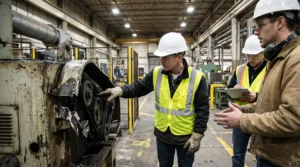
Can You Still Receive Workers’ Compensation If Your Employer Says the Accident Was Your Fault?
In many cases, yes. One of the most important principles of the American workers’ compensation system is that benefits are generally not based on proving that an employer was negligent.
Workers’ compensation is typically a no-fault system. This means that an eligible employee may receive benefits for a work-related injury without proving that the employer caused the accident. Likewise, an employee’s ordinary mistake or negligence generally does not automatically prevent recovery.
For example, imagine a delivery warehouse employee who injures their back while lifting a heavy package. The employer claims that the employee used an incorrect lifting technique and ignored previous instructions.
Even if the employee made a mistake, the injury may still qualify for workers’ compensation if it arose out of and occurred in the course of employment under the applicable state law.
The purpose of workers’ compensation is to provide a system for addressing qualifying work-related injuries, rather than requiring every injured worker to prove that someone else was legally at fault.
How the No-Fault Workers’ Compensation System Works
Most states operate workers’ compensation systems that provide benefits to eligible employees who suffer qualifying workplace injuries or occupational illnesses.
Depending on state law and the circumstances of the claim, available benefits may include:
-
Medical treatment related to the covered workplace injury.
-
Temporary disability benefits when an employee cannot work during recovery.
-
Partial wage replacement when an employee can work only with restrictions or reduced hours.
-
Permanent disability benefits when an injury causes lasting impairment.
-
Vocational rehabilitation or return-to-work assistance where available.
-
Death benefits for eligible dependents when a workplace accident causes a fatal injury.
These benefits are subject to state-specific eligibility rules, waiting periods, medical requirements, and administrative procedures.
For example, an employee injured while operating a machine may receive medical treatment and temporary disability benefits even if the employer argues that the employee should have been more careful.
The employer’s insurance carrier may investigate the claim, request medical documentation, and evaluate whether the injury is work-related. If the carrier disputes the claim, the employee may have the opportunity to challenge the decision through the applicable state process.
Does Employee Negligence Automatically Disqualify a Workers’ Compensation Claim?
Generally, ordinary employee negligence does not automatically disqualify an otherwise covered workplace injury.
This is an important distinction because employees sometimes assume that making a mistake means they cannot receive benefits.
For instance, consider a restaurant worker who slips while carrying supplies. The manager argues that the employee was moving too quickly and should have walked more carefully. Even if the employee was partly responsible for the incident, the injury may still qualify for workers’ compensation.
Similarly, an employee who accidentally operates equipment incorrectly may still have a valid claim if the injury occurred in the course of employment and the applicable state requirements are satisfied.
However, there are exceptions. State laws may restrict benefits in certain situations involving intentional self-injury, serious misconduct, intoxication, or other specific circumstances. The precise standards differ between states, and an employer’s allegation does not establish that an exception applies.
An injured employee should avoid assuming that a claim is automatically invalid simply because management says the employee caused the accident.
What If Your Employer Files an Accident Report Blaming You?
A workplace accident report can become an important piece of evidence in a workers’ compensation investigation. Employers may prepare reports describing the circumstances of an incident, identifying witnesses, documenting injuries, and explaining what management believes happened.
The problem arises when the report contains inaccurate information or presents the employee as responsible without considering other contributing factors.
For example, a construction worker may fall because a ladder was damaged. The employer’s report might state that the worker failed to maintain three points of contact. While that detail may be relevant, the report should also consider the ladder’s condition, whether it was inspected, whether the employee received appropriate training, and whether the worker was instructed to use that particular equipment.
Why Accurate Accident Reports Matter
Insurance companies may review employer accident reports when evaluating workers’ compensation claims. These documents can influence decisions about whether an injury was work-related, whether the employee followed workplace procedures, and whether additional investigation is necessary.
If an accident report contains inaccurate statements, the employee should consider submitting a written correction or explanation through the appropriate company or insurance process.
For example, if the report states that an employee was injured while performing an unauthorized task, but a supervisor actually instructed the employee to perform that task, the worker should document the instruction and identify anyone who witnessed it.
Employees should also request copies of relevant documents when permitted under applicable law and company procedures. Keeping personal records of the accident, medical treatment, and communications can help prevent important details from being lost.
Should You Sign an Accident Report That Blames You?
You should read every document carefully before signing it. Some forms merely acknowledge that an employee received or reviewed a document, while others may contain statements about how an accident happened or who was responsible.
These distinctions matter.
If you disagree with the description of the incident, ask whether you can attach a written statement explaining your version of events. If the document is inaccurate, do not knowingly confirm false information.
You can also ask for clarification about what your signature means. If you are being pressured to sign a statement admitting fault, consider obtaining legal advice before doing so.
An employee should never feel obligated to accept an inaccurate account simply because a supervisor insists that the paperwork must be completed immediately.
Can Your Employer Deny Workers’ Compensation Because You Made a Mistake?
An employer generally cannot determine workers’ compensation eligibility simply by declaring that an employee made a mistake. The applicable state law controls whether the injury qualifies for benefits and whether a specific exclusion applies.
In many states, ordinary carelessness is not a sufficient reason to deny an otherwise valid claim. However, certain circumstances can create legitimate disputes.
Violating Workplace Safety Rules
Suppose an employee operates industrial equipment without following a company procedure. The employer argues that the employee ignored safety instructions and caused the accident.
The violation may be relevant to the investigation, but its legal significance depends on the state’s workers’ compensation law and the facts.
Some jurisdictions recognize limited defenses involving serious or intentional misconduct. Others have particular statutory provisions concerning safety-rule violations. These exceptions should not be confused with ordinary negligence.
For example, forgetting one step in a routine procedure is not necessarily equivalent to deliberately violating a known and properly enforced safety requirement.
Investigators may need to determine whether the employee knew about the rule, received adequate training, had access to the required equipment, and was actually responsible for the conditions that caused the accident.
Intoxication and Workplace Accidents
Intoxication may create additional complications in a workplace injury claim.
Some states allow employers or insurance carriers to raise intoxication-related defenses under specific circumstances. The applicable law may require evidence that intoxication contributed to the accident or that other statutory requirements were satisfied.
An employer’s accusation that an employee appeared impaired is not necessarily sufficient proof.
The investigation may involve witness accounts, workplace testing policies, medical evidence, and other relevant information. Employees should be truthful about the circumstances and should not make assumptions about the legal effect of an accusation.
Intentional Self-Injury and Serious Misconduct
Workers’ compensation systems generally distinguish accidental workplace injuries from intentional self-inflicted injuries.
If an employer claims that an employee deliberately caused an injury, the allegation may lead to a more extensive investigation. However, the employer’s suspicion does not establish intentional conduct.
Similarly, serious misconduct may have different consequences depending on state law. An employee should obtain legal advice if an insurance carrier relies on alleged misconduct to deny benefits.
What If Your Employer Blames You to Avoid Paying Workers’ Compensation?
Most employers purchase workers’ compensation insurance to cover qualifying employee injuries. However, disputes can arise when a claim increases insurance costs, interrupts operations, or exposes workplace safety problems.
An employer may have financial or administrative reasons to challenge a claim, but that does not mean an employee should automatically accept management’s version of events.
Why Some Employers Dispute Workplace Injury Claims
Employers may dispute claims for several reasons.
They might believe the injury happened outside working hours, resulted from a preexisting condition, or occurred while the employee was performing an unauthorized activity. They may also question whether the employee reported the injury promptly or followed company procedures.
Other disputes involve workplace safety violations. An employer may attempt to emphasize an employee’s conduct while overlooking equipment defects, inadequate training, insufficient supervision, or hazardous working conditions.
Consider a manufacturing employee who suffers a hand injury while operating a machine. The employer claims that the employee placed a hand too close to a moving component.
However, an investigation reveals that a machine guard had been removed several days earlier and that management knew about the problem.
The employee’s actions may be examined, but the condition of the machine and the employer’s knowledge of the hazard are also important facts.
An employer cannot establish the entire legal outcome simply by focusing on one detail of the accident.
Can an Employer Pressure You to Withdraw a Claim?
An employer should not use threats, intimidation, or unlawful retaliation to prevent an employee from exercising protected workplace rights.
An injured worker may encounter pressure to withdraw a claim, describe an injury as non-work-related, or agree that the accident happened because of personal carelessness.
Employees should be cautious about signing withdrawal statements or agreements they do not understand.
If an employer threatens termination, reduced hours, disciplinary action, or other punishment because an employee reports an injury or raises a protected safety concern, the situation may involve retaliation.
It is important to distinguish lawful workplace management decisions from unlawful retaliation. An employer may address legitimate performance or safety violations, but it generally cannot punish an employee simply for exercising rights protected by applicable law.
Can Your Employer Fire You for Getting Injured at Work?
One of the biggest concerns employees have after a workplace accident is whether they will lose their jobs.
An employer may sometimes terminate an employee for legitimate reasons unrelated to the injury or a protected complaint. However, terminating someone because they reported a workplace injury, filed a workers’ compensation claim, or exercised protected safety rights may violate state or federal law.
The legal protections available depend on the circumstances, the employee’s status, and the laws applicable to the workplace.
Workers’ Compensation Retaliation
Many states have laws prohibiting employers from retaliating against workers who file workers’ compensation claims or exercise related rights.
Depending on the jurisdiction, prohibited conduct may include firing, demotion, reduced hours, disciplinary action, threats, or other adverse employment decisions.
For example, imagine a warehouse employee who reports a serious back injury and files a workers’ compensation claim. A few days later, the employer suddenly reduces the employee’s scheduled hours and tells coworkers that injured employees create problems for the company.
If the reduction was motivated by the employee’s protected activity, it may raise a retaliation concern.
However, timing alone does not automatically prove unlawful retaliation. The employee’s employment history, company communications, management statements, and other evidence may help establish the employer’s actual motivation.
Federal Protection Against Workplace Safety Retaliation
Federal workplace safety law provides important protections for employees who report injuries and raise safety concerns.
Under Section 11(c) of the Occupational Safety and Health Act, employers are prohibited from retaliating against employees for exercising rights protected by the law.
According to the Occupational Safety and Health Administration (OSHA) Worker Rights and Protections guidance, employees have the right to report work-related injuries, raise workplace safety concerns, and request OSHA inspections without unlawful punishment.
Retaliation can include firing, demotion, reduced hours, threats, intimidation, and other adverse employment actions.
There is an especially important deadline to understand: OSHA generally requires a Section 11(c) retaliation complaint to be filed within 30 days of the alleged retaliatory action. Other whistleblower laws may have different deadlines.
Occupational Safety and Health Administration+2
Employees should not assume that they have unlimited time to challenge an employer’s conduct.
What Should You Do If You Are Fired After a Workplace Accident?
If you believe your employer terminated you because you reported an injury or exercised protected rights, preserve relevant evidence.
Keep copies of termination notices, emails, text messages, disciplinary records, performance evaluations, and communications with supervisors. Write down the dates of important conversations and identify coworkers who may have witnessed relevant events.
Avoid deleting messages or altering documents that may help explain what happened.
You may also want to consult an employment attorney or workers’ compensation attorney who understands the applicable state laws. In some situations, separate administrative complaints or legal claims may be available.
An employee should not assume that every termination following an injury is illegal, but neither should an employee assume that the employer can terminate them without consequences.
What Rights Do Injured Employees Have Under OSHA?
The Occupational Safety and Health Administration plays an important role in protecting workers from dangerous workplace conditions.
Under federal law, covered employers generally have responsibilities to maintain safe workplaces and address recognized hazards. Employees also have rights to report dangerous conditions and participate in workplace safety investigations.
These protections matter when an employer blames an employee for an accident without addressing the underlying hazard.
The Right to Report Unsafe Working Conditions
Employees can report workplace hazards to management and, when appropriate, to OSHA.
Examples include:
-
Defective machinery and missing safety guards.
-
Unsafe ladders, scaffolding, and elevated platforms.
-
Exposed electrical wiring.
-
Poorly maintained workplace floors.
-
Dangerous chemical exposure.
-
Inadequate protective equipment.
-
Unsafe vehicle or forklift operations.
-
Insufficient safety training.
Reporting these conditions can help prevent additional accidents and establish a record of known hazards.
An employee who previously reported a dangerous condition may have important evidence if an accident later occurs because the employer failed to address the problem.
The Right to Request an OSHA Inspection
Workers may request an OSHA inspection if they believe serious workplace hazards exist or their employer is violating applicable safety requirements.
OSHA may investigate complaints and determine whether the employer has violated federal workplace safety standards.
However, an OSHA inspection and a workers’ compensation claim serve different purposes. OSHA primarily addresses workplace safety compliance, while workers’ compensation systems determine eligibility for benefits arising from covered workplace injuries.
An OSHA investigation does not automatically guarantee compensation, and a workers’ compensation claim does not necessarily establish that an employer violated OSHA regulations.
Both processes may nevertheless be relevant to understanding a workplace accident.
For additional information about reporting unsafe conditions, employees can visit the official OSHA File a Complaint page.
How to Prove That Your Employer Is Wrong About a Workplace Accident
When an employer blames an employee, evidence becomes particularly important.
A worker’s account of the incident may be accurate, but supporting documentation can make it easier to challenge incorrect statements and establish the circumstances surrounding the injury.
Evidence should be collected lawfully and preserved as soon as reasonably possible.
Photographs and Videos of the Accident Scene
Photographs can help document dangerous conditions that may disappear after an accident.
For example, an employee who slips on a wet warehouse floor may want to preserve photographs showing the spill, the absence of warning signs, and the surrounding conditions.
A worker injured by defective machinery may benefit from photographs showing damaged components, missing guards, or visible equipment problems.
Security camera footage may also be important. However, many businesses automatically overwrite recordings after a limited period.
Employees or their attorneys may need to request preservation of relevant footage promptly through appropriate channels.
Do not trespass, bypass workplace security systems, or take confidential company materials without authorization to obtain evidence.
Witness Statements
Coworkers may have witnessed the accident or noticed dangerous conditions before the injury occurred.
Their statements may help establish:
-
What the employee was doing before the accident.
-
Whether a supervisor instructed the employee to perform a particular task.
-
Whether equipment was malfunctioning.
-
Whether a hazardous condition had existed for several days.
-
Whether safety procedures were followed.
-
Whether management had previously received complaints.
Employees should avoid pressuring coworkers to provide particular statements. Witness accounts should be truthful and based on what the individuals actually observed.
If possible, record the names and contact information of witnesses and note when they were present.
Medical Records and Professional Evaluations
Medical documentation is essential when establishing the nature and extent of a workplace injury.
A doctor may document the employee’s symptoms, diagnosis, treatment recommendations, work restrictions, and expected recovery period.
Medical records can also help establish whether the injury is consistent with the reported accident.
For example, an employee who suffers a shoulder injury while lifting heavy materials may have medical documentation identifying a specific strain or tear.
If an employer claims that the injury is unrelated to work, the employee’s treating medical professional may be able to explain whether the diagnosis and symptoms are consistent with the reported incident.
Employees should provide accurate information to healthcare providers, including details about when symptoms began and what activities caused or aggravated them.
Training Records and Safety Manuals
Training documents can be particularly valuable when an employer argues that an employee failed to follow safety procedures.
Relevant materials may include:
-
Employee safety training certificates.
-
Equipment operation instructions.
-
Written safety policies.
-
Maintenance and inspection records.
-
Personal protective equipment records.
-
Workplace hazard assessments.
-
Previous safety complaints.
-
Records of equipment malfunctions.
For example, an employer may claim that a construction worker was properly trained to operate a particular machine. However, the employee may have received only general safety instructions and never completed equipment-specific training.
That distinction could be important when evaluating the circumstances of the accident.
Emails, Text Messages, and Workplace Communications
Electronic communications may reveal whether management knew about a dangerous condition before the accident.
A supervisor may have received a message about a broken machine, a slippery floor, or missing protective equipment but failed to address the issue.
These communications may help establish that the hazard was known before the employee was injured.
Employees should preserve messages and other records they are lawfully entitled to access. They should also avoid forwarding confidential company information to unauthorized parties.

What to Do Immediately If Your Employer Blames You for a Workplace Accident
An employee who is injured at work should focus on medical treatment while also taking reasonable steps to protect their legal interests.
The actions taken during the first hours and days after an accident can influence how the incident is documented and investigated.
1. Get Medical Attention Immediately
Your health should come first.
Seek emergency treatment if the injury is serious or requires immediate attention. Even injuries that initially appear minor may become more complicated over time.
Back injuries, head trauma, internal injuries, repetitive-motion injuries, and soft-tissue damage may require medical evaluation even when symptoms are not immediately severe.
Explain to the medical professional how the accident occurred and identify the physical activities you were performing.
If your state has specific workers’ compensation medical-provider rules, follow the applicable requirements while ensuring that urgent medical needs are addressed.
2. Report the Accident in Writing
Notify your employer about the accident as soon as possible.
Even if you already informed a supervisor verbally, consider creating a written record through an appropriate company reporting process.
Include the date, approximate time, location, task being performed, description of the incident, and known injuries.
Keep the language factual. Avoid unnecessary speculation about who caused the accident.
Reporting requirements and deadlines differ between states, and waiting too long can create complications for a claim.
3. Request the Appropriate Workers’ Compensation Forms
Ask your employer how to report the injury and obtain the applicable workers’ compensation claim paperwork.
Complete the forms accurately and retain copies of everything submitted.
If your employer refuses to provide the required paperwork, contact the relevant state workers’ compensation agency or seek legal advice about how to initiate the claim.
Do not assume that a supervisor’s verbal statement that you are responsible means you cannot file.
4. Document What Happened
Write down your recollection of the accident while the details are still fresh.
Include what happened immediately before the injury, the equipment or materials involved, any instructions you received, and the names of people who witnessed the incident.
If you had previously reported a safety problem, document when and how you raised the concern.
Keep your account factual and avoid changing details to make the incident appear more favorable.
5. Preserve Relevant Evidence
Save copies of medical records, accident reports, photographs, emails, and other documents related to the incident.
If you believe video footage or electronic equipment records may be relevant, inform the appropriate company representative or consult an attorney about requesting preservation.
Do not access systems or records without authorization.
6. Be Careful When Communicating With Your Employer
Remain professional when discussing the accident.
You do not need to argue with your supervisor or accept an accusation simply to end a difficult conversation.
If you disagree with management’s version of events, explain the factual differences calmly and request that your statement be included in the investigation.
Avoid signing documents that you do not understand, particularly statements admitting fault or withdrawing a claim.
7. Seek Legal Advice if Your Claim Is Disputed
An attorney experienced in workers’ compensation law can review the circumstances of the accident and explain the options available under your state’s laws.
Legal assistance may be especially important when an employer disputes the injury, an insurance carrier denies benefits, or the employee experiences retaliation after reporting the incident.
What Happens If the Workers’ Compensation Insurance Company Denies Your Claim?
An employer’s accusation may influence the workers’ compensation insurance carrier, but the carrier must evaluate the claim under the applicable state law and available evidence.
A denial does not necessarily mean the employee has no legal options. In many states, injured workers can challenge denied claims through administrative procedures, hearings, or appeals.
Understanding why a claim was denied is the first step toward deciding how to respond.
Common Reasons for Workers’ Compensation Claim Denials
Insurance companies may deny claims for several reasons. Some denials involve legitimate eligibility disputes, while others may result from incomplete documentation or disagreements about the accident.
Common reasons include:
Disputes about whether the injury happened at work. The insurer may argue that the employee suffered the injury outside working hours or while performing personal activities. Evidence about the employee’s work schedule, assignments, medical records, and accident circumstances may help address the dispute.
Late injury reporting. Most states establish deadlines for reporting workplace injuries. An employee who waits too long may encounter difficulties establishing the claim, although exceptions and different rules may apply depending on the circumstances.
Insufficient medical evidence. An insurance carrier may argue that the employee’s medical records do not establish a connection between the workplace incident and the injury. Additional medical evaluations or documentation may help clarify the relationship.
Preexisting medical conditions. The insurer may claim that the employee’s symptoms existed before the accident. However, a preexisting condition does not automatically eliminate workers’ compensation eligibility. Depending on state law, a workplace accident or work activity may aggravate, accelerate, or worsen an existing condition.
Alleged safety violations. The employer may claim that the employee violated workplace rules or acted recklessly. Whether this affects eligibility depends on the applicable legal standards and the specific evidence.
Disputes about employment status. Some workers are classified as independent contractors rather than employees. If the classification is disputed, the worker’s actual relationship with the company may become important.
How to Challenge a Denied Workers’ Compensation Claim
If your claim is denied, carefully review the written denial notice.
The notice may explain the insurer’s reasons, identify disputed issues, and provide information about deadlines for requesting a hearing or appeal.
Do not ignore these deadlines. Workers’ compensation procedures vary significantly between states, and missing a filing deadline may affect your ability to challenge the decision.
An employee may be able to submit additional medical records, witness statements, accident photographs, or other evidence supporting the claim.
For example, suppose a warehouse employee’s claim is denied because the employer states that the injury occurred outside work. The employee has medical records from the same day, a coworker who witnessed the incident, and a supervisor’s message confirming that the employee reported the accident during the shift.
These records may help challenge the insurer’s position.
An attorney can explain the appropriate process, prepare evidence, communicate with the insurance carrier, and represent the employee in administrative proceedings when permitted.
Can You Sue Your Employer Directly for a Workplace Accident?
This is one of the most important legal questions involving workplace injuries.
In most states, workers’ compensation is considered the primary or exclusive remedy against an employer for covered workplace injuries. This means an employee generally cannot file an ordinary negligence lawsuit against the employer simply because the employer failed to prevent an accident.
The workers’ compensation system is designed to provide qualifying benefits without requiring employees to prove employer negligence.
However, the exclusive-remedy rule is not identical in every state, and exceptions may exist.
Understanding the Exclusive Remedy Rule
Under the exclusive-remedy principle, an eligible employee typically receives workers’ compensation benefits instead of pursuing a traditional personal injury lawsuit against the employer for the same covered injury.
For example, a construction worker who falls because of an unsafe work platform may qualify for workers’ compensation benefits even if the employer was negligent in maintaining the equipment.
The employee may receive medical benefits and qualifying disability payments without having to establish that the employer breached a legal duty.
In exchange, the employer generally receives protection from many ordinary negligence lawsuits involving covered workplace injuries.
However, employees should not assume that this rule eliminates every possible legal claim.
Exceptions That May Allow a Lawsuit Against an Employer
Certain states recognize exceptions involving intentional misconduct, employer fraud, deliberate removal of safety protections, or other specific circumstances.
Some jurisdictions also have special provisions involving particularly serious employer conduct.
These exceptions are generally fact-specific and can be difficult to establish.
For example, an employee might claim that an employer deliberately removed an essential machine guard despite knowing that workers faced a substantial risk of serious injury.
Whether that conduct creates a separate lawsuit depends on the applicable state’s legal standards, the employer’s conduct, and the available evidence.
An employee should not assume that every OSHA violation or safety failure automatically permits a direct negligence lawsuit against an employer.
A workers’ compensation attorney can explain whether an exception may apply.
Can Another Company Be Responsible for Your Workplace Accident?
Even when workers’ compensation is the primary remedy against an employer, another party may be legally responsible for causing the injury.
These situations are known as third-party workplace injury claims.
A third-party claim may provide an additional source of compensation when someone other than the employer contributed to the accident.
This is particularly important when an employer blames the employee but the actual cause involves defective equipment, unsafe property conditions, or another company’s negligence.
Defective Machinery and Equipment Manufacturers
Suppose a factory employee suffers a severe hand injury when a machine suddenly malfunctions.
The employer claims that the employee operated the equipment incorrectly. However, an independent investigation reveals that a safety component was defective.
Depending on the circumstances, the manufacturer, distributor, or another responsible company may face a product liability claim.
Potential legal issues may include:
-
Defective machine design.
-
Manufacturing defects.
-
Inadequate safety warnings.
-
Failure to provide necessary instructions.
-
Defective protective mechanisms.
-
Improper equipment maintenance by a responsible third party.
Product liability cases require evidence connecting the defective product to the injury. The fact that machinery malfunctioned does not automatically establish that the manufacturer is responsible.
Contractors and Subcontractors
Construction sites often involve several companies working simultaneously.
An employee hired by one contractor may be injured because another contractor creates an unsafe condition.
For example, an electrician may fall after a subcontractor leaves construction materials in an elevated walkway. The electrician’s employer may argue that the worker should have watched where they were walking.
However, the actions of the other contractor may also require investigation.
Depending on state law and the contractual relationships involved, a negligent contractor or subcontractor may be responsible for some or all of the resulting damages.
Property Owners and Maintenance Companies
A workplace accident may also involve a property owner or outside maintenance company.
Consider an employee who slips on a damaged staircase in a commercial building. The employer argues that the employee was not paying attention.
However, the staircase may have been damaged for weeks, and the property owner or maintenance company may have received previous complaints.
Depending on the facts and applicable law, a third-party premises liability claim may be available.
This possibility is especially important for workers who perform their duties at customer locations, rented facilities, construction sites, and other properties they do not control.
How Third-Party Claims Affect Workers’ Compensation Benefits
Workers’ compensation and third-party lawsuits are separate legal processes, although they can overlap.
An employee may receive workers’ compensation benefits while also pursuing a claim against another legally responsible party.
However, state laws may give the workers’ compensation insurer a lien or reimbursement right against certain third-party recoveries.
The rules concerning reimbursement, attorney fees, settlement approval, and allocation of damages vary by jurisdiction.
Before accepting a third-party settlement, an injured worker should understand how it could affect existing workers’ compensation benefits.
What If Your Employer Blames You Because You Had a Preexisting Injury?
Preexisting medical conditions are another common source of workplace injury disputes.
An employer or insurance carrier may argue that an employee’s back pain, shoulder problems, knee injury, or other medical condition existed before the workplace accident.
However, a previous medical condition does not automatically mean that a new workplace injury is unrelated to employment.
Many employees continue working while managing earlier injuries or chronic conditions. A workplace accident may aggravate an existing condition or create a new injury involving the same body part.
Can You Receive Workers’ Compensation for an Aggravated Injury?
Depending on state law, an employee may qualify for benefits when work activities aggravate or worsen a preexisting condition.
For example, a warehouse employee may have a history of occasional back discomfort but continue performing regular duties without significant limitations.
During a shift, the employee lifts a heavy object and experiences severe pain that requires medical treatment.
The employer claims that the employee’s back condition existed before the accident and therefore refuses to acknowledge a work-related injury.
The medical investigation may need to determine whether the workplace activity caused a new injury, aggravated the previous condition, or contributed to the employee’s current disability.
The employee should provide accurate information about their medical history. Hiding a previous condition can create credibility problems and make the claim more difficult to evaluate.
Why Medical Documentation Is Important
Medical professionals can help distinguish between an existing condition and a new injury or aggravation.
Useful documentation may include earlier medical records, recent diagnostic imaging, examination findings, treatment recommendations, and work restrictions.
The employee should explain when symptoms changed and how the workplace incident affected daily activities.
An insurer may request an independent medical examination or another medical evaluation under the applicable state system.
Employees should understand the purpose of any requested examination and seek legal advice if they have concerns about the process.
What If You Are a Temporary Worker or Independent Contractor?
Employment classification can significantly affect workplace injury rights.
Temporary employees, staffing agency workers, subcontractors, and independent contractors may have different legal relationships with the businesses where they perform work.
An employer may blame an injured worker and argue that the individual was not technically an employee.
However, the label used in a contract or company handbook does not always determine legal classification.
Temporary Employees and Staffing Agencies
Temporary workers may perform daily duties at a business while receiving their pay from a staffing agency.
If a temporary employee is injured, questions may arise about which organization is responsible for workers’ compensation coverage.
Depending on state law and the contractual relationship, the staffing agency, host business, or both may have relevant responsibilities.
The employee should report the injury to the appropriate supervisor and staffing agency as soon as possible.
The worker should also preserve information about who assigned the task, who supervised the work, and which company controlled the equipment or workplace conditions.
Independent Contractor Classification Disputes
Some businesses classify workers as independent contractors rather than employees.
However, state and federal classification rules vary and may consider factors such as control over the work, economic dependence, independence, and the nature of the business relationship.
A worker who receives a 1099 tax form is not automatically excluded from every form of workplace injury protection.
If an employer argues that the worker was an independent contractor, the actual working relationship may need to be examined.
Misclassification disputes can be complicated, particularly in construction, transportation, delivery, and other industries that rely heavily on contract labor.
An employment or workers’ compensation attorney can evaluate whether the worker may qualify for coverage.
Realistic Examples of Employers Blaming Employees for Workplace Accidents
Understanding how these disputes arise in everyday workplaces can help injured employees recognize the importance of documentation and evidence.
Example 1: Warehouse Worker Injured by a Forklift
A warehouse employee is walking through an area designated for inventory movement when a forklift approaches and strikes a nearby storage rack. Falling materials injure the employee.
Management claims that the worker entered a restricted area and caused the accident.
However, the employee states that the walkway was not marked, the forklift operator was moving too quickly, and the warehouse had no effective separation between pedestrian and vehicle traffic.
An investigation may need to examine workplace traffic plans, warning signs, employee training, forklift maintenance, and witness statements.
Even if the employee made a mistake, that does not automatically eliminate workers’ compensation eligibility.
Depending on the circumstances, a separate claim involving another responsible party may also be worth investigating.
Example 2: Construction Worker Falls From an Unsafe Platform
A construction employee falls while performing work on an elevated platform.
The employer claims that the employee failed to use proper fall protection.
The worker explains that the required equipment was unavailable and that a supervisor instructed the crew to continue working.
Evidence may include safety training records, equipment distribution records, photographs, site inspection reports, and communications with supervisors.
The investigation should examine whether the employer provided appropriate equipment and whether the employee received adequate instructions.
The employer’s accusation should not be treated as a final determination of responsibility.
Example 3: Restaurant Employee Suffers a Serious Burn
A restaurant employee suffers a burn while handling hot equipment.
The manager claims that the employee failed to pay attention and ignored kitchen safety procedures.
However, the equipment may have had a damaged handle, and employees may have previously complained about the problem.
Medical records, maintenance reports, coworker statements, and photographs may help establish what happened.
The employee may qualify for workers’ compensation benefits even if the employer disputes the circumstances.
If a defective product or another company’s negligence contributed to the incident, additional legal questions may arise.
Example 4: Delivery Employee Injured During a Work Assignment
A delivery employee is injured while transporting company materials between locations.
The employer claims that the worker was careless and failed to follow the company’s vehicle safety procedures.
However, the employee reports that the vehicle had defective brakes and that the problem had previously been reported to management.
An investigation may examine maintenance records, vehicle inspection documents, GPS information, and the employee’s previous safety complaints.
Depending on the circumstances, the vehicle owner, maintenance provider, or another responsible party may also require investigation.
These examples demonstrate why a workplace accident should be evaluated using all available evidence rather than relying exclusively on the employer’s initial explanation.
How a Workplace Accident Lawyer Can Help When Your Employer Blames You
Dealing with an employer who disputes a workplace injury can be difficult, particularly when the employee is recovering from physical injuries and experiencing financial pressure.
A workplace accident attorney can help evaluate whether the employer’s accusations are supported by evidence and whether the employee has additional legal options.
Not every workplace injury requires an attorney. However, legal representation may be particularly valuable when an employer disputes the circumstances of an accident, an insurance company denies benefits, or a third party may share responsibility.
Investigating the Circumstances of the Accident
An attorney may investigate the accident independently rather than relying exclusively on the employer’s report.
Depending on the case, this may involve reviewing photographs, medical records, workplace policies, witness statements, equipment inspection records, and other relevant documentation.
For example, if an employee suffers an injury involving defective machinery, an attorney may investigate whether the equipment had previously malfunctioned or whether the employer received warnings about the hazard.
A thorough investigation can help identify important evidence that might otherwise be overlooked.
Challenging Inaccurate Employer Statements
If an employer’s report contains inaccurate information, an attorney may help the employee respond through the appropriate legal or administrative process.
This may involve identifying inconsistencies, obtaining supporting records, interviewing witnesses, or presenting additional evidence to the insurance carrier.
The objective is to ensure that the claim is evaluated using accurate information rather than unsupported accusations.
Communicating With Workers’ Compensation Insurance Companies
Workers’ compensation insurance companies may request medical records, employment information, recorded statements, and other documentation.
An attorney can explain the significance of these requests and help the employee respond appropriately.
Legal representation may also be useful during settlement negotiations, medical disputes, benefit disagreements, and administrative hearings.
Identifying Additional Sources of Compensation
If a third party contributed to the accident, an attorney can investigate whether a separate personal injury claim may be available.
For example, a defective machine manufacturer, negligent contractor, or property maintenance company may have contributed to the injury.
An attorney can also evaluate whether a retaliation claim or another employment-related legal issue exists.
For additional information about accident investigations and negligence, readers can visit What You Need to Know About Accident Liability and Negligence.
Employees seeking a broader explanation of the claims process can also review The Most Common Types of Accident Claims and How to File Them.
How Long Do You Have to Report a Workplace Accident or File a Claim?
Time limits are among the most important considerations following a workplace accident.
Employees sometimes delay reporting injuries because they believe the pain will disappear, fear disciplinary action, or do not want to create problems with their employer.
Unfortunately, waiting can complicate a claim.
Workers’ compensation reporting requirements and filing deadlines vary by state. Some jurisdictions require employees to notify employers within relatively short periods, while formal claims may have separate deadlines.
Workplace Injury Reporting Deadlines
An employee should report an injury as soon as reasonably possible.
Even if the injury appears minor, creating a written record can help establish when the incident happened.
Some injuries develop gradually, particularly those involving repetitive movements, occupational exposure, and musculoskeletal conditions. Different reporting rules may apply to occupational illnesses and cumulative injuries.
Employees should consult the applicable state workers’ compensation agency to understand the relevant deadlines.
Workers’ Compensation Filing Deadlines
Reporting an accident to an employer and filing a formal workers’ compensation claim are not necessarily the same thing.
An employee may need to complete additional paperwork or submit a claim through a state agency.
Missing the applicable filing deadline may affect eligibility for benefits, although certain exceptions may exist.
Employees should avoid relying solely on verbal assurances from supervisors about whether a claim has been filed.
Deadlines for Retaliation Complaints
Retaliation claims may have separate deadlines.
For example, OSHA generally requires complaints under Section 11(c) of the Occupational Safety and Health Act to be filed within 30 days of the alleged retaliation.
Other federal whistleblower protections and state workers’ compensation retaliation laws may have different deadlines.
This is another reason to obtain legal guidance promptly when an employer threatens or punishes an employee for reporting an injury.

How to Protect Yourself When Returning to Work After an Accident
Returning to work after an injury can create additional challenges, especially when management previously blamed the employee.
An injured worker may worry that supervisors will closely monitor their performance, assign physically demanding duties, or use medical restrictions as a reason to question their ability to perform the job.
A safe return-to-work process should consider the employee’s medical condition and applicable employment protections.
Follow Your Doctor’s Work Restrictions
If your healthcare provider gives you restrictions, make sure your employer receives the appropriate documentation through the required process.
Restrictions may involve lifting limits, reduced standing time, modified duties, limited repetitive movements, or restrictions on operating certain equipment.
Do not ignore medical instructions simply because a supervisor wants you to resume normal duties.
If the employer cannot accommodate the restrictions, discuss the situation with your treating medical provider and workers’ compensation representative.
Understand Modified-Duty Assignments
Some employers offer modified or light-duty assignments to injured employees.
These arrangements may help workers return gradually while recovering.
However, an employee should understand whether the proposed duties are consistent with medical restrictions.
For example, a worker recovering from a shoulder injury should not be assigned tasks requiring repetitive overhead lifting if the doctor has prohibited that activity.
If the proposed assignment appears unsafe, seek clarification rather than assuming that refusing the task will automatically protect your benefits.
The consequences of refusing modified work vary by state and circumstances, so employees should obtain advice before making decisions that could affect their claims.
Keep Records of New Workplace Problems
If management begins treating you differently after your injury, document significant incidents.
Record changes in schedules, disciplinary notices, threats, unusual work assignments, and relevant communications.
Keep the information factual and avoid making unsupported accusations.
This documentation may become important if a dispute arises concerning retaliation or workplace accommodations.
Frequently Asked Questions About Employers Blaming Employees for Workplace Accidents
1. Can my employer refuse workers’ compensation because I caused the accident?
Not automatically. Workers’ compensation is generally a no-fault system, meaning ordinary employee negligence does not necessarily prevent an injured worker from receiving benefits. However, certain state-specific exceptions may apply, including particular circumstances involving intentional misconduct or intoxication.
2. Should I admit fault if my employer says I caused the accident?
You should be truthful when explaining what happened, but you should not accept responsibility for something you do not believe is accurate. Avoid signing statements that contain incorrect information or legal admissions you do not understand. Consider requesting an opportunity to provide your own written account.
3. Can my employer force me to pay for workplace accident damages?
An employer’s ability to recover money from an employee for workplace damage depends on applicable employment laws, contracts, and the circumstances. An employer cannot automatically assume that an employee must personally pay for every accident. Obtain legal advice before agreeing to deductions, reimbursements, or repayment arrangements.
4. What if my employer says I violated a safety rule?
A safety-rule violation may be relevant to an investigation, but its legal effect depends on state law and the circumstances. Consider whether the rule was properly communicated, whether you received training, whether necessary equipment was available, and whether the employer contributed to the unsafe condition.
5. Can I file a workers’ compensation claim without my employer’s permission?
In general, an employer cannot simply prevent an eligible worker from pursuing a claim. The filing process depends on the state, but workers can usually contact the relevant workers’ compensation agency if an employer refuses to cooperate with the process.
6. What if my employer refuses to report my workplace accident?
Keep your own written records and seek information from your state’s workers’ compensation agency about how to proceed. You may also want to consult an attorney. Do not assume that an employer’s refusal to document an incident eliminates your ability to pursue benefits.
7. Can I be fired for reporting a workplace injury?
Federal and state laws provide protections against certain forms of retaliation. An employer generally cannot lawfully punish an employee for exercising protected workplace safety rights. Many states also prohibit retaliation for filing workers’ compensation claims. However, not every termination following an injury is automatically unlawful.
8. Can I sue my employer if unsafe working conditions caused my injury?
Workers’ compensation is generally the exclusive remedy against an employer for covered workplace injuries. However, some states recognize exceptions involving specific forms of intentional misconduct or other circumstances. A separate claim may also be available against a negligent third party.
9. What if my employer says my injury was caused by an old medical condition?
A preexisting condition does not automatically prevent a workplace injury claim. Depending on state law, an accident or work activity may aggravate or worsen an existing condition. Medical documentation can help establish the relationship between the workplace incident and your current symptoms.
10. What should I do if my employer threatens to fire me unless I withdraw my claim?
Preserve communications documenting the threat, avoid signing withdrawal documents without understanding their consequences, and seek legal advice promptly. Depending on the circumstances, the conduct may raise workers’ compensation retaliation or workplace safety whistleblower concerns.
11. Can undocumented workers receive workers’ compensation benefits?
In many states, undocumented workers may qualify for workers’ compensation benefits when they meet the applicable eligibility requirements. Immigration status does not automatically eliminate workplace injury protections. However, some remedies and employment-related issues may involve additional legal complications.
12. Should I hire a lawyer if my employer blames me for a workplace accident?
Legal representation may be helpful when an employer disputes the injury, an insurance company denies benefits, or the employee faces retaliation. An attorney can explain state-specific rights, review evidence, and determine whether additional claims may be available.
Conclusion: Being Blamed for a Workplace Accident Does Not Mean You Have No Rights
Suffering an injury at work is already difficult, but being blamed by an employer can make the situation considerably more stressful. Employees may feel pressured to accept responsibility, withdraw a workers’ compensation claim, or return to work before they are medically ready.
However, an employer’s accusation does not automatically determine whether an employee qualifies for compensation.
Workers’ compensation systems in the United States generally provide benefits without requiring injured employees to prove that their employer was negligent. Ordinary employee mistakes do not necessarily eliminate eligibility, although specific exclusions and exceptions may apply under state law.
Employees should take workplace injuries seriously, obtain medical treatment, report accidents promptly, preserve relevant evidence, and carefully review documents before signing them.
They should also understand that workplace safety laws provide protections against certain forms of retaliation. An employer generally cannot punish an employee simply for exercising legally protected rights.
In some cases, the investigation may reveal that defective machinery, inadequate safety procedures, negligent contractors, or dangerous property conditions contributed to the accident. These circumstances may create additional legal options beyond workers’ compensation.
The most important thing is not to assume that management’s version of events is the final answer. Every workplace accident deserves a fair examination of the evidence, the applicable law, and the circumstances that caused the injury.
If your employer blames you for a workplace accident, understanding your rights can help you make informed decisions about medical treatment, workers’ compensation benefits, and possible legal action.
Learn More About Workplace Accident Claims: For additional information about emerging workplace hazards, equipment-related injuries, and changing safety risks, read Workplace Accidents in 2025: What New Risks Should You Know?.
Disclaimer: This article is intended for general educational and informational purposes. It does not constitute legal advice or create an attorney-client relationship. Workers’ compensation laws, filing deadlines, retaliation protections, and available remedies vary by state. Consult a qualified attorney about the specific circumstances of your case.